Window Placement for Cross Breezes
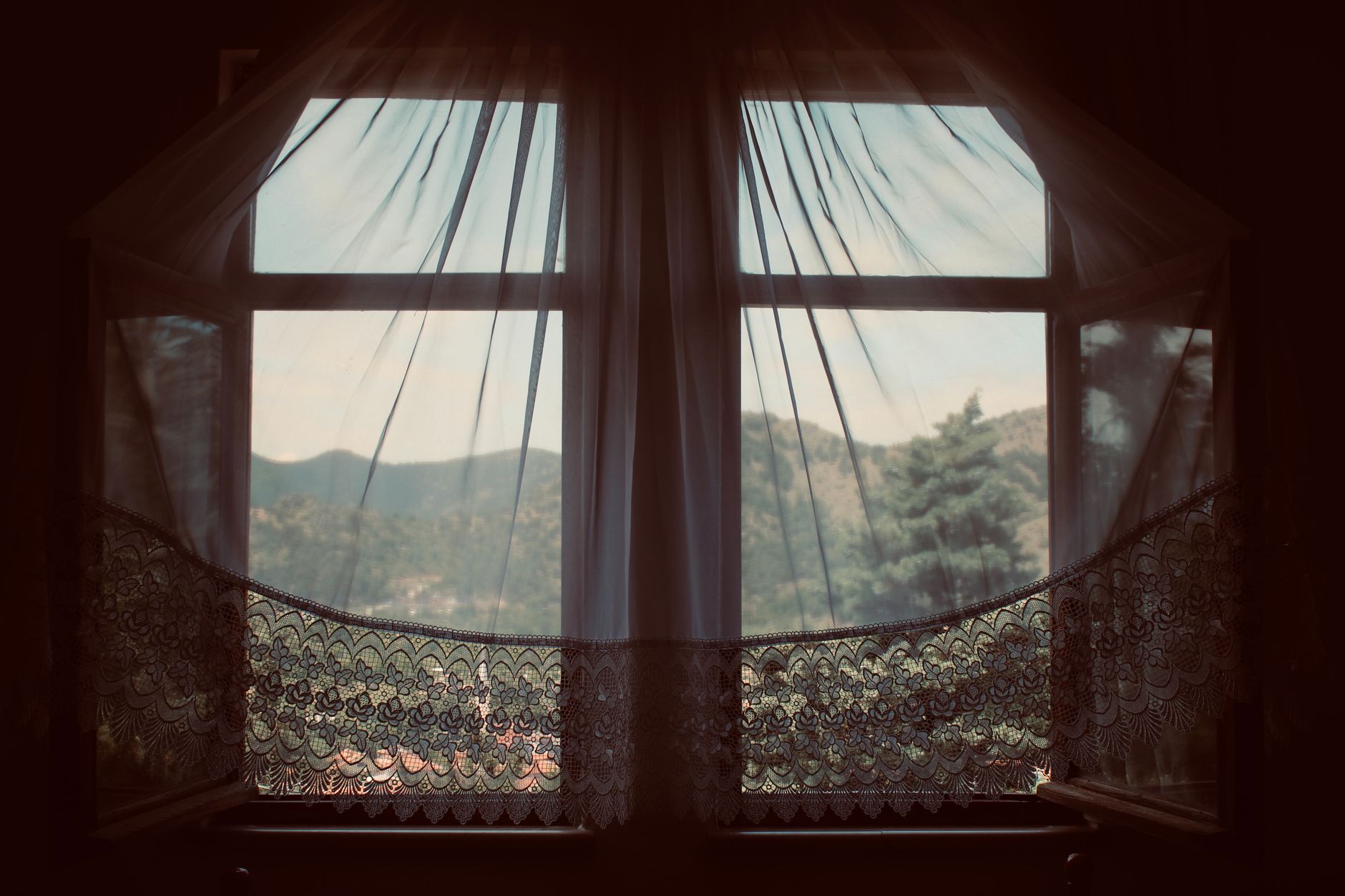
Two openings on opposite walls move more air than four openings on one wall, a simple fact that a note at carlsbad new windows pretty little wine moms returns to again and again. For new windows in Carlsbad, CA the placement of each opening decides whether the afternoon sea breeze moves through the house or stalls at the front door.
Why air needs two ways through
Air only moves through a room when it has both a way in and a way out. A window open on one wall lets in a little air and pushes the same air back out. Two windows on adjacent or opposite walls create a path, and the air follows it from high pressure to low pressure.
Prevailing wind along the coast
The wind in Carlsbad typically comes from the west and southwest in the afternoon, following the marine layer inland. Windows facing west catch the breeze, and windows on the east side let it out. Houses on the open ground near Agua Hedionda Lagoon and the old Encina Power Station site feel that afternoon pull most, and the pattern is easy to confirm by watching which way a flag or a wind chime leans.
Small windows high, large windows low
Warm air rises, so an awning window or small casement placed high on the leeward wall lets hot air leave. A larger window on the windward wall, placed lower, lets cool air in. A picture window by itself provides light and a view but no airflow, so an operable window beside it is worth considering.
Rooms that need help
Bedrooms with one outside wall are the hardest to ventilate. A transom window above a door or a clerestory can pull air across the room, even if the door stays closed for privacy. Kitchens benefit from a casement over the sink and a second opening across the room.
Screens, noise and safety
Screens keep insects out, and good ones keep out the dust that blows in from the road. Security latches that hold a window open a few inches allow night ventilation without making the window easy to enter. Homes near Legoland California or busy streets need windows that open on the quieter side. When the only breezy wall faces traffic, a tall casement on the quiet wall, paired with a lower opening across the room, still draws air through without letting every sound inside.